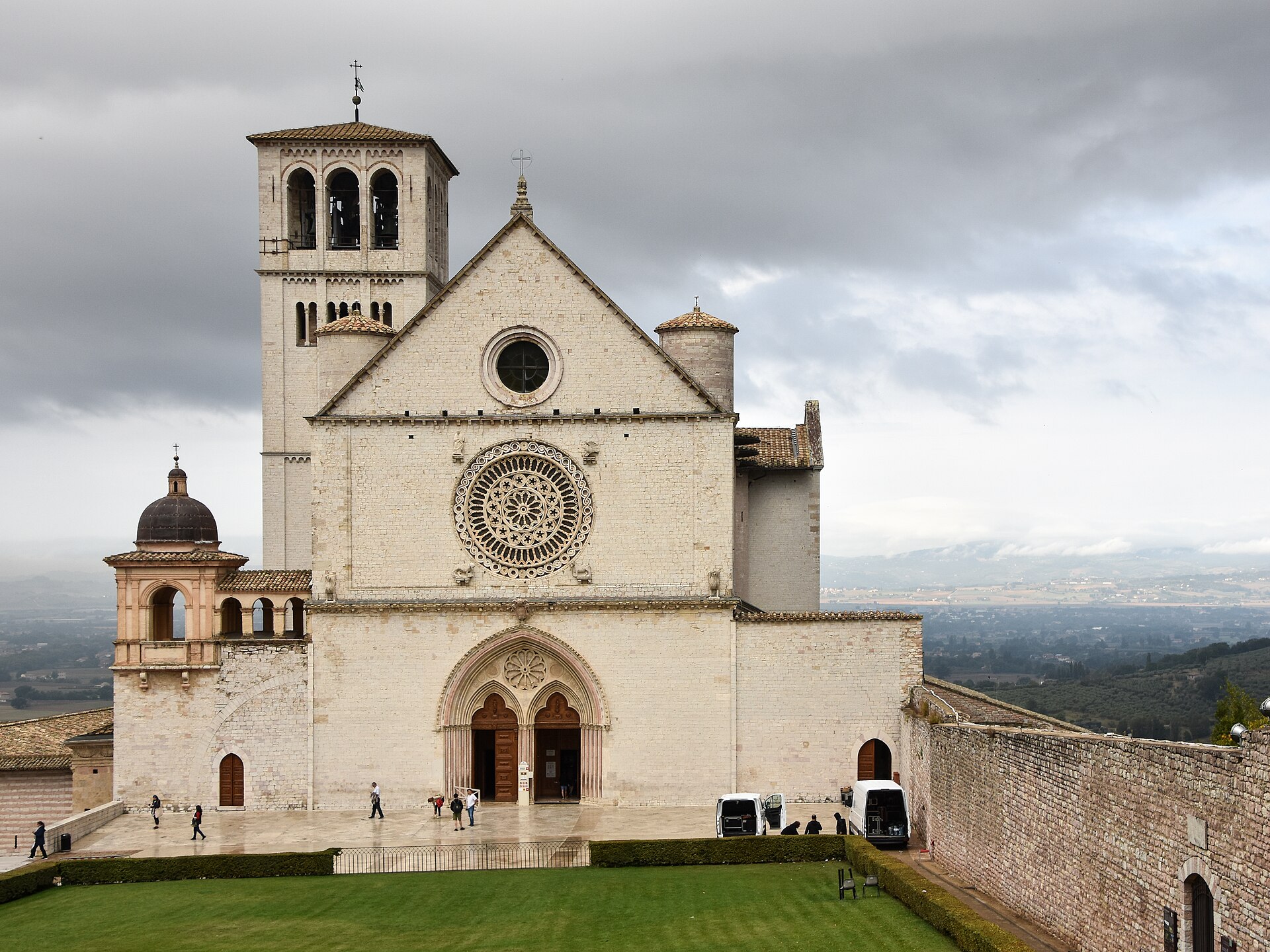
The real Basilica of Saint Francis in Assisi

People of Assisi

Lives that still
shape the city.

Assisi is personal because its sacred places are tied to human lives—people who chose peace, courage, service and a radical simplicity.

Basilica of Saint Francis

1181/82–1226

Saint Francis of Assisi

Francis left privilege for a life of poverty, fraternity and peace. His tomb lies in the basilica a few minutes’ walk from San Pietro.

“Ye owe much to God, your Creator, and ye ought to sing his praise at all times and in all places.”

The Little Flowers, chapter XVI
Porziuncola
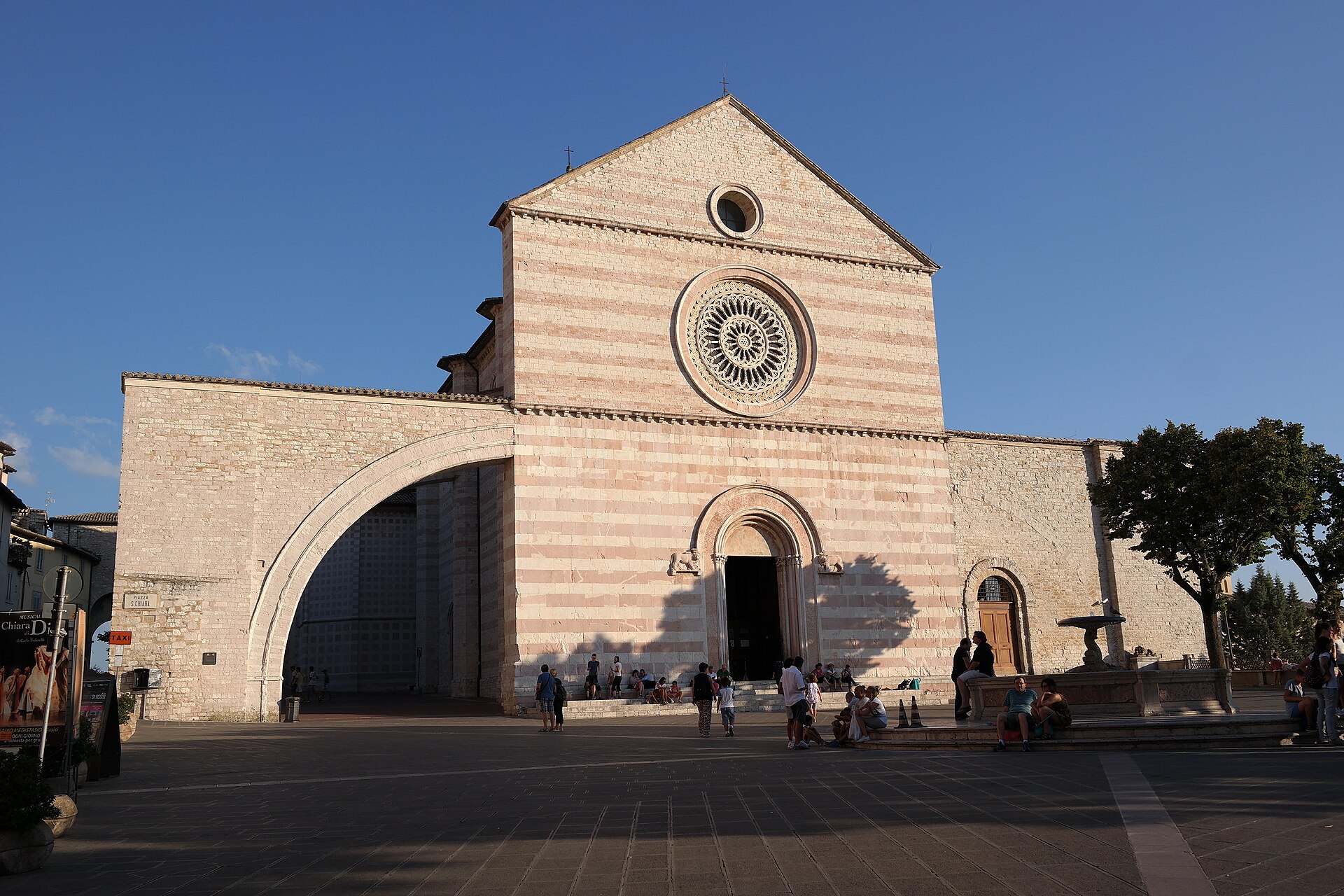
Basilica of Saint Clare

1194–1253

Saint Clare of Assisi

Clare followed Francis with her own fierce clarity, forming a community of women at San Damiano centred on prayer and poverty.

“Rejoice, then, because of these graces which I have received, and return to thanks to our Lord Jesus Christ.”

The Little Flowers, chapter XXXV
Santa Maria degli Angeli
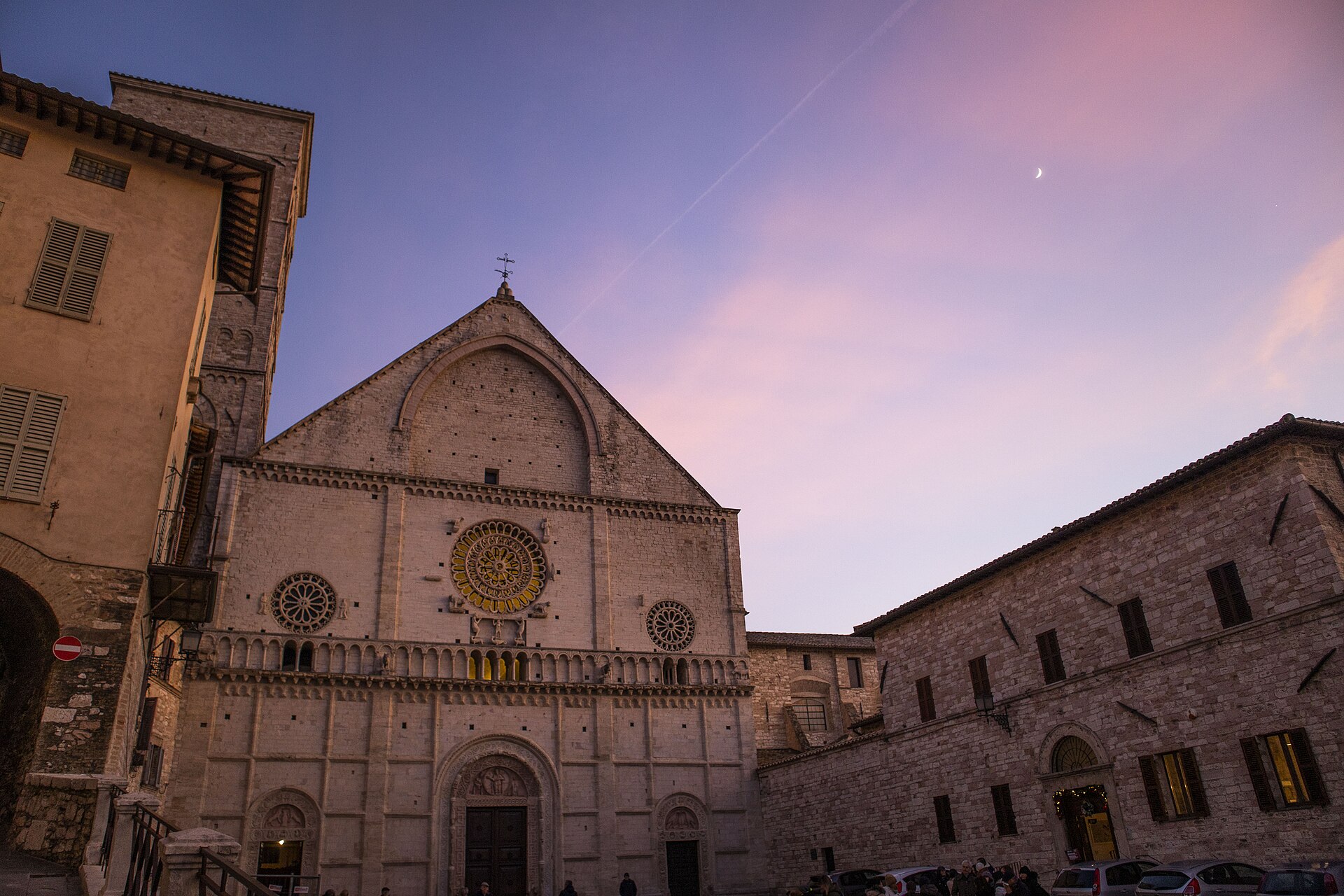
Cathedral of Saint Rufinus

3rd century

Saint Rufinus

Assisi’s early bishop and patron saint links the medieval city to its first Christian centuries. The cathedral bears his name.

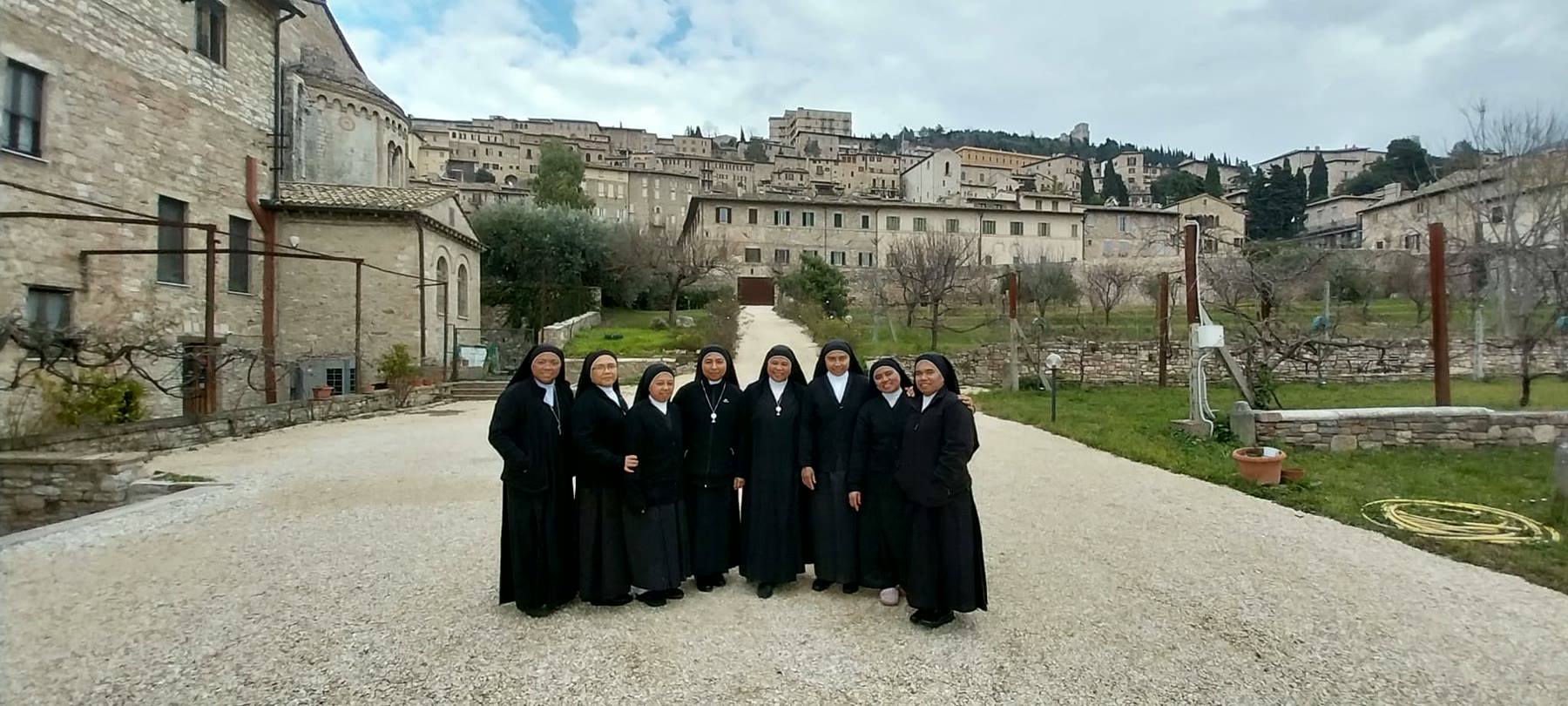
The Sacramentine Sisters who care for Abbazia San Pietro

1856–1906

Saint Maria Cristina Brando

Founder of the Sacramentine Sisters in 1878, her Eucharistic spirituality continues in the community that welcomes guests at San Pietro today.

Read the story of the Sisters
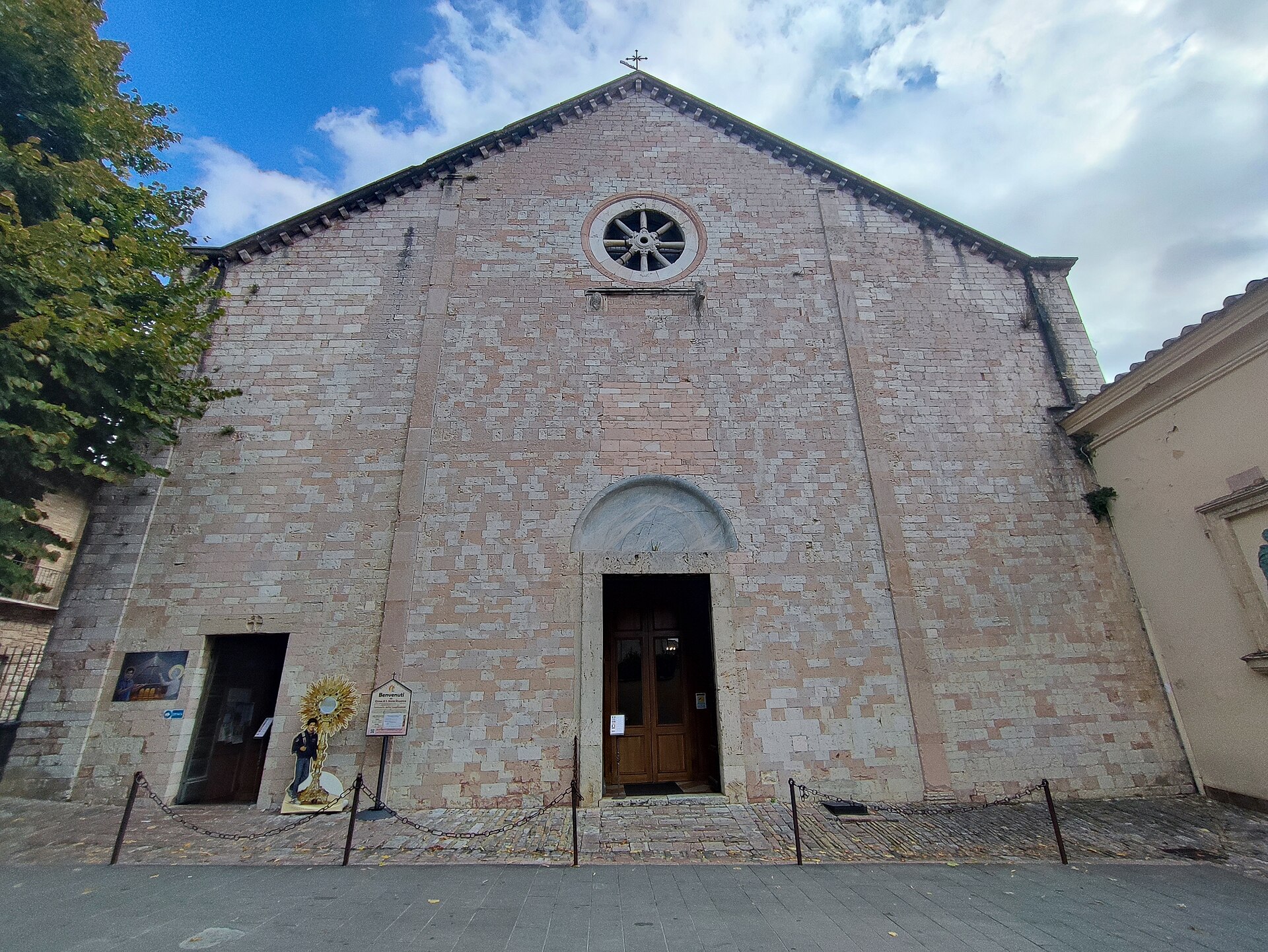
Santa Maria Maggiore, where Saint Carlo Acutis rests

1991–2006

Saint Carlo Acutis

A modern young witness known for his love of the Eucharist and skill with technology. His tomb in Santa Maria Maggiore draws pilgrims from across the world.

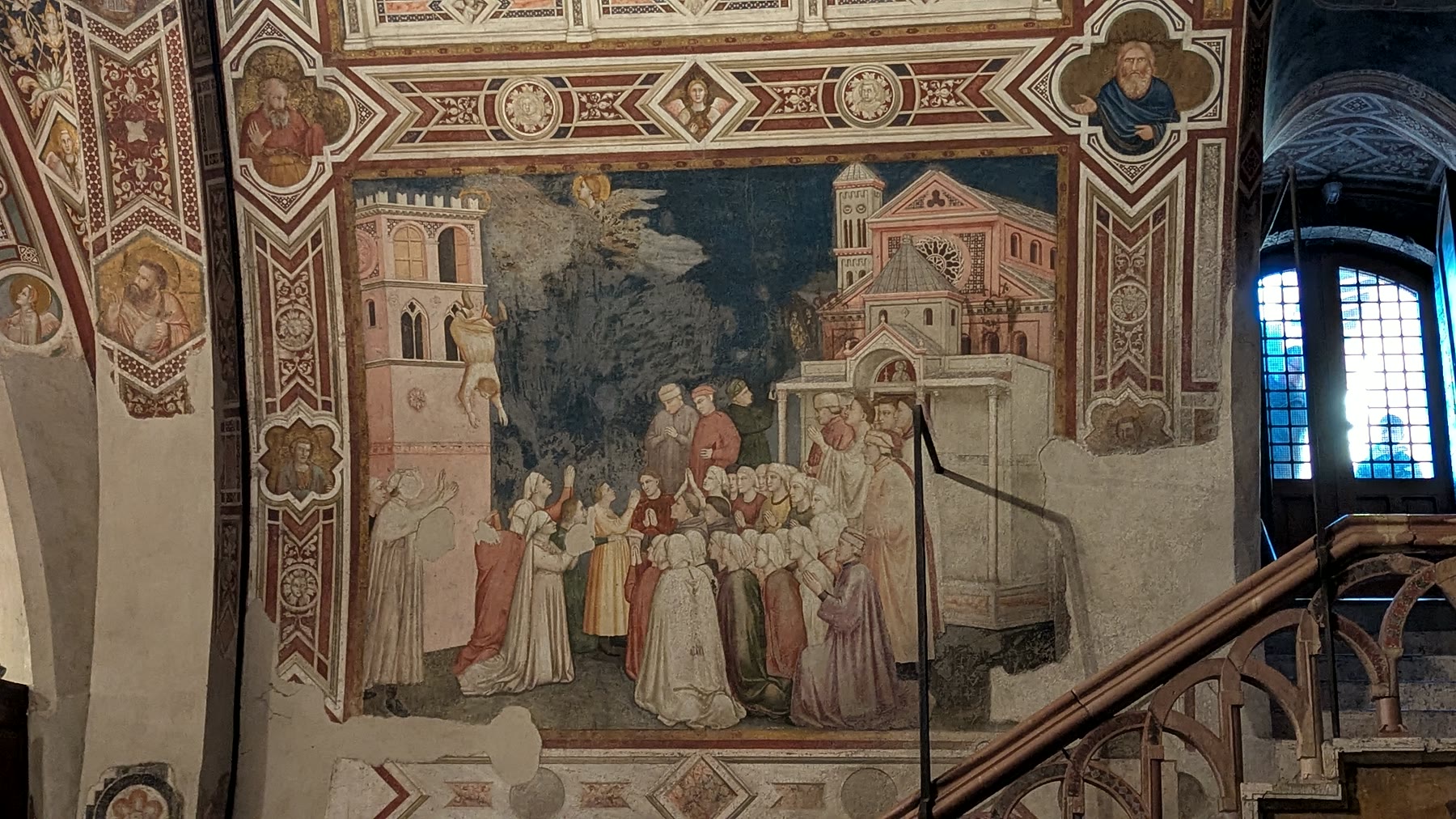
A medieval fresco in Assisi

The Little Flowers

Stories carried
across centuries.

The Fioretti is a fourteenth-century devotional collection: beloved spiritual storytelling, not a contemporary transcript. The short passages above are therefore offered as part of Assisi’s living tradition.

People of Assisi

Meet them through their places

The photographs on this page show the real basilicas, shrines and community connected with these lives. For the medieval saints, there are no photographs of the people themselves; their places are the most honest visual record.

Explore churches