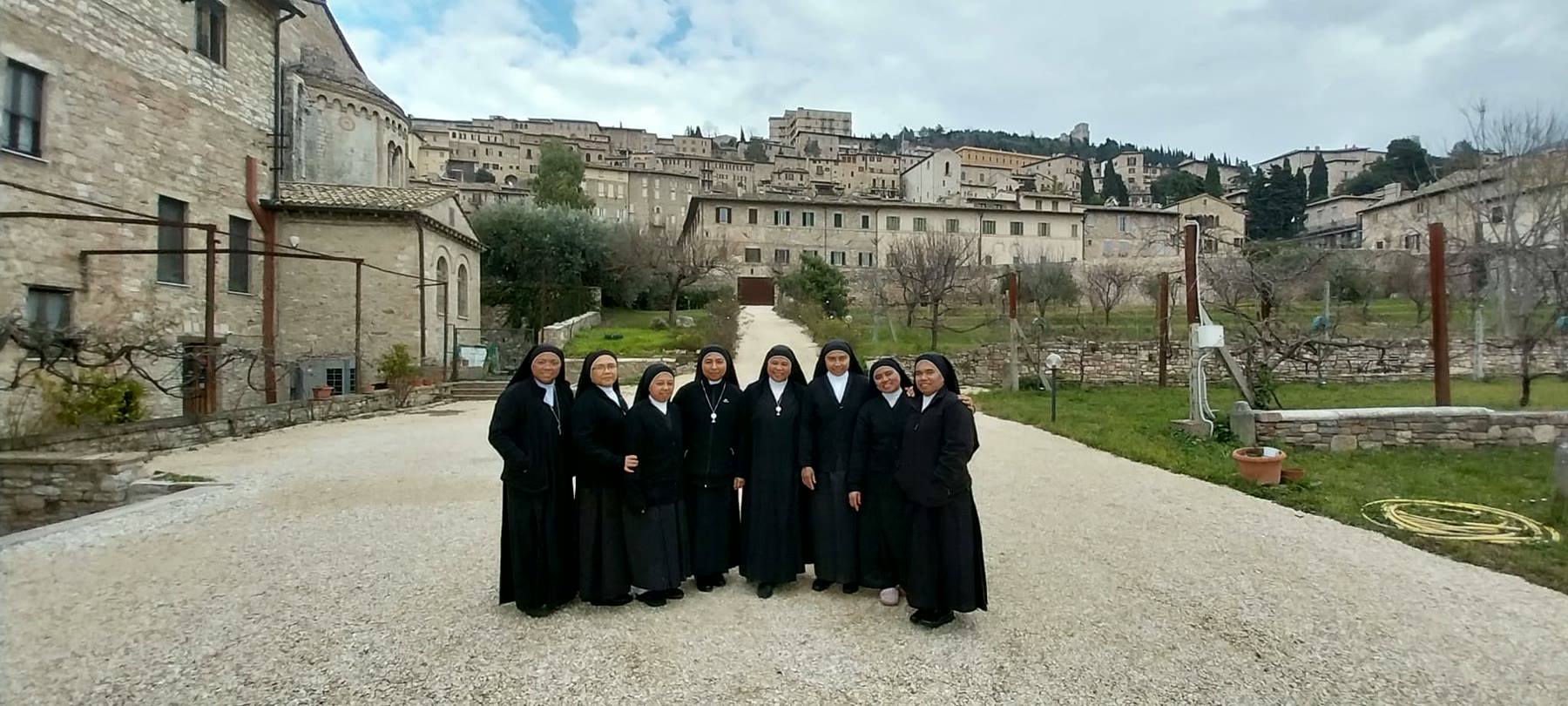
The living community
A story of prayer,
service and welcome.
The Sisters who care for San Pietro belong to a religious family founded near Naples by Saint Maria Cristina Brando in 1878.
The beginning
A young woman.
A new religious family.
Born Adelaide Brando in Naples in 1856, Maria Cristina felt called to a life centred on the Eucharist. Ill health closed several doors, but not the vocation itself.
In 1878 she laid the foundations of the congregation now known as the Sisters, Expiatory Victims of Jesus in the Blessed Sacrament. Contemplative prayer and practical care were never separate in her vision.
A life becoming a mission
The story in six moments.
From a fragile beginning in Campania came a community shaped by Eucharistic prayer, education, charity and hospitality.
- 1856
Adelaide is born
Born in Naples on 1 May, she was drawn to prayer and consecrated life from childhood.
- 1876
Maria Cristina
She received the religious habit and the name Sister Maria Cristina of the Immaculate Conception.
- 1878
A new foundation
At Torre del Greco she began the religious family that would become the present congregation.
- 1884
A home in Casoria
Maria Cristina and her companions settled in Casoria, where the community’s life took lasting form.
- 1903
Recognition
The congregation received canonical approval and its official name; Maria Cristina and her Sisters professed perpetual vows.
- 2015
Declared a saint
Pope Francis canonised Maria Cristina Brando in Saint Peter’s Square on 17 May.
The charism
Two branches.
One living trunk.
Maria Cristina described love of God and love of neighbour as “two branches that originate from the same trunk.” The congregation joined Eucharistic adoration to the education and care of children. At San Pietro, that same rhythm is expressed through prayer, community and welcome.
Read the Vatican biographyA house in details
Faith held in
ordinary things.
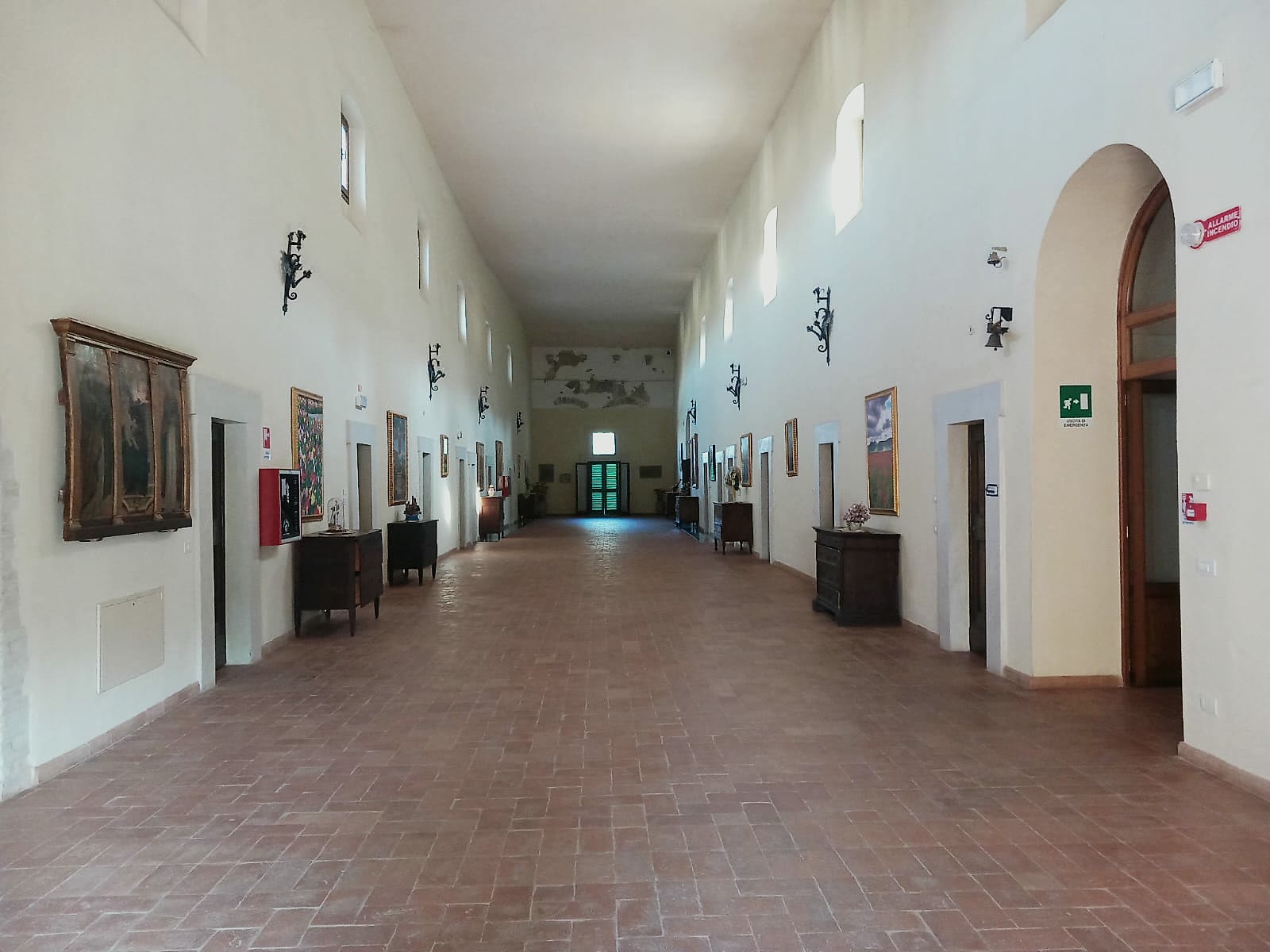
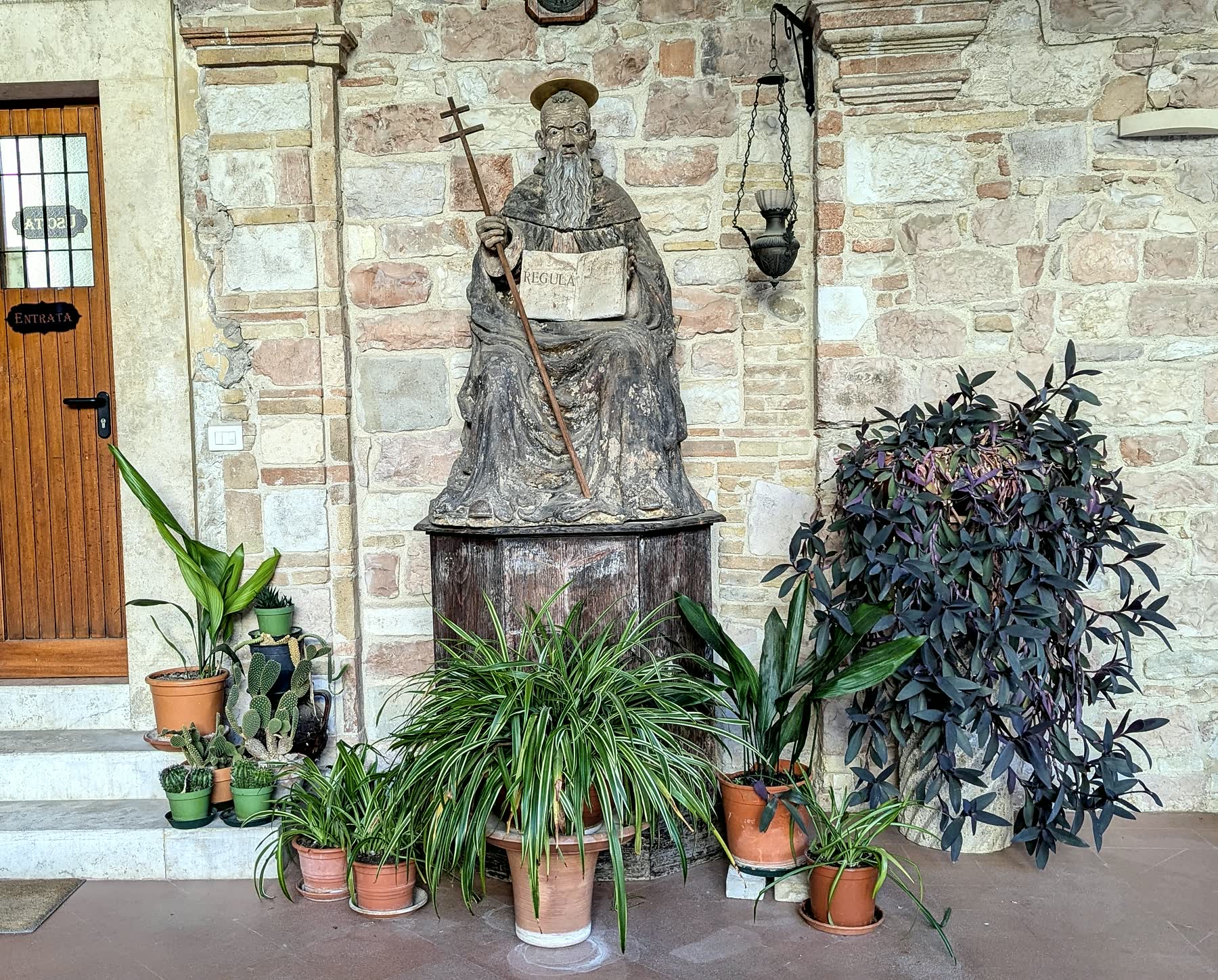
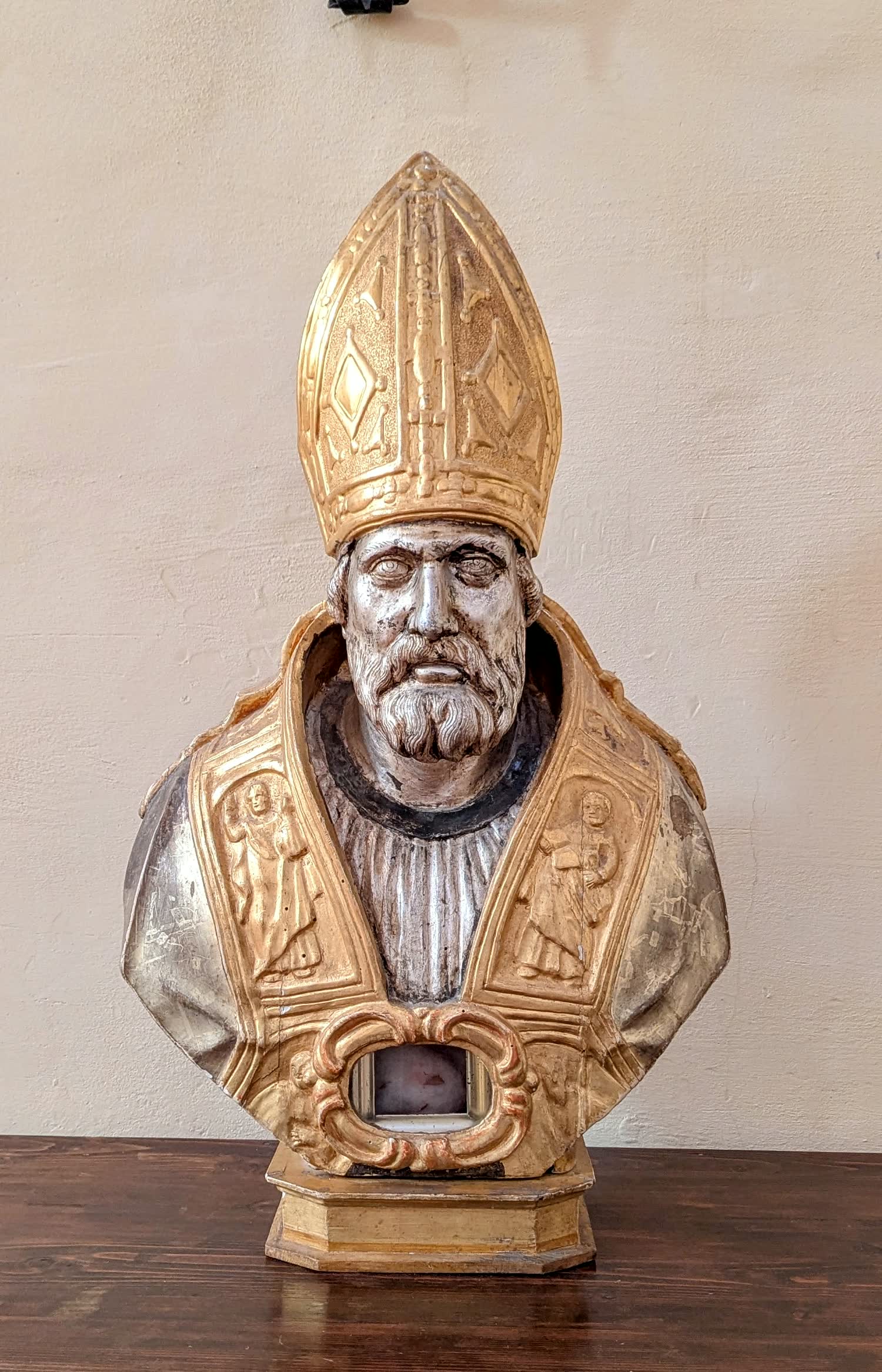
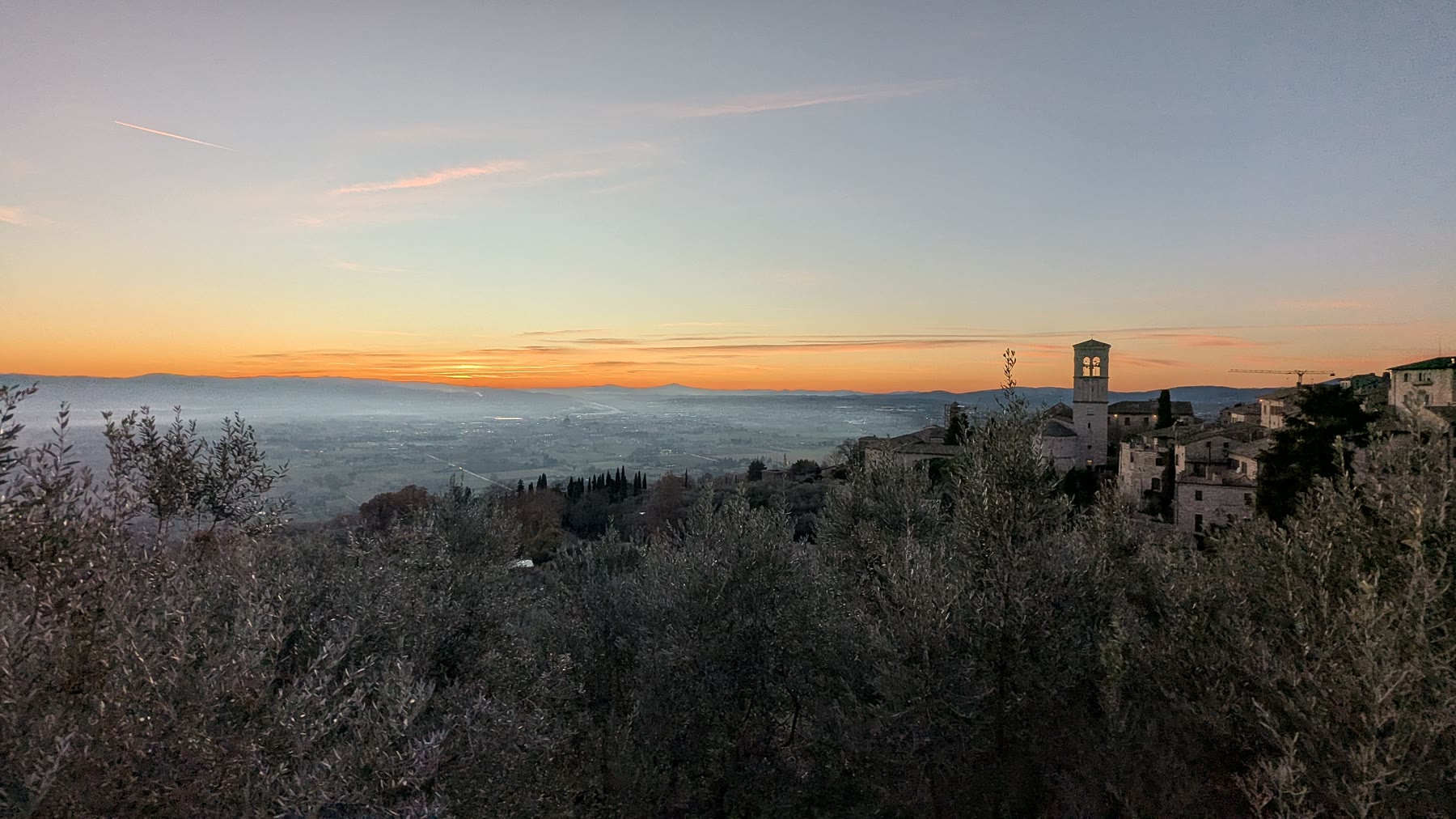
A carved rule, a reliquary, devotional images and a corridor worn by daily passage make the history tangible. These photographs were made during our own stays.
Sources
A history grounded in the Church’s record.
Dates and the account of the congregation’s beginnings are drawn from the Vatican biography and the Dicastery for the Causes of Saints.